TurtleTree Obtains the World’s First Self-GRAS for Animal-Free Lactoferrin, LF+™ Now Approved to Commercialize in the U.S.
TurtleTree, a pioneer in sustainable nutrition, today announced that it has attained the first-ever self-affirmed generally recognized as safe (GRAS) status for its complex functional protein—precisio
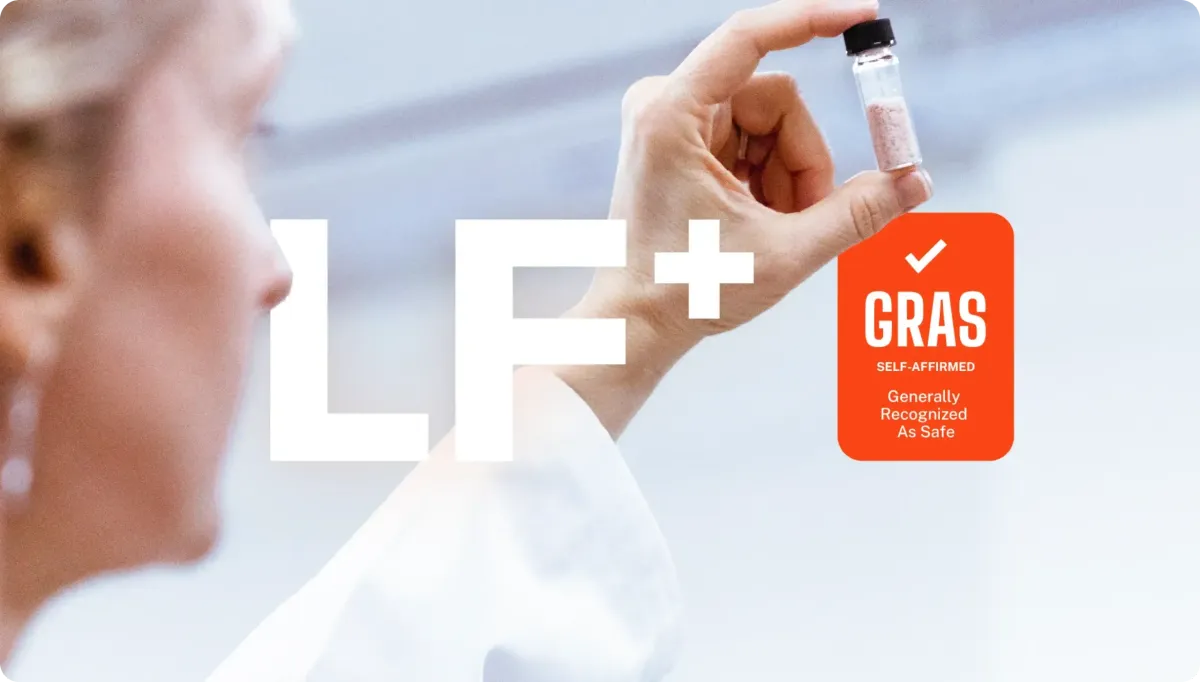
_This regulatory milestone sets the stage for U.S. commercialization in Q4 2023. Using precision fermentation, TurtleTree expects profitability on LF+ in 2024 and will address global supply scarcity._
SACRAMENTO, Calif. and SINGAPORE, Nov. 23, 2023 /PRNewswire/ — TurtleTree, a pioneer in sustainable nutrition, today announced that it has attained the first-ever self-affirmed generally recognized as safe (GRAS) status for its complex functional protein—precision fermentation-derived lactoferrin, LF+—a highly sought-after ingredient with powerful benefits for immunity, iron regulation, and gut health. This development confirms that LF+ is safe to be used in food and beverages and paves the way for TurtleTree to commercialize in the U.S., targeting supply gaps in the existing lactoferrin market, as well as adding functionality to the $35 billion plant-based milk market and a broad range of adult nutrition products
Currently retailing between $750 – 1,500 per kilogram, the demand for lactoferrin heavily outweighs the supply and the accessibility, with an increasing number of consumers seeking its benefits. Given it takes at least 10,000 liters of milk to extract just 1 kilogram of purified lactoferrin, the supply is limited, and today funneled to only a few essential foods and beverages such as infant formula, leaving little for other applications.
With LF+, TurtleTree has tackled the challenge of scaling the production of lactoferrin via precision fermentation, enabling it to supplement the global shortage of lactoferrin as well as meet the demand of new consumers who were previously unable to access the protein because of high costs and supply issues. This includes fortifying adult nutrition products such as protein powders, functional beverages, meal replacement alternatives for the elderly, and multivitamins, as well as supplementing plant-based dairy products to bridge the functional gap with traditional dairy milk.