The Gut-Brain Axis and its Influences on Your Daily Life
The father of modern medicine, Hippocrates, is quoted as saying
All disease begins in the gut.”
Today, we’re seeing more and more how our gut affects our health. We are still discovering more about the connection between our gut and our bodies every day.
One of the more surprising links is the relationship between the brain and the gut, known as the gut-brain axis.
What Is The Gut-Brain Axis?
The cognitive and emotional centers of the brain are connected to the intestinal system through the gut-brain axis, also known as the “second brain”. Several pathways are involved in the crosstalk between the nervous system and the gastrointestinal system. What’s interesting is that these links of communication are bidirectional, which means signals are both sent from the brain to the stomach, and from the stomach to the brain. The gastrointestinal system is governed by the enteric nervous system, which is a part of the nervous system that controls the gastrointestinal tract independently of the brain.
The central nervous system can communicate with the enteric nervous system and affect a number of different aspects and behaviors, including the gut mucosa, gut muscles, intestinal lining, and mucus release. On the other hand, when organs of the gastrointestinal system are inflamed, irritated, or experiencing pain, they can send signals to the brain that affect cognition, emotion, and mood.
The Gut-Brain Axis in Everyday Life
The gut-brain axis has the ability to affect the immune system through several modes. The brain can influence the microbial community in the gut by changing the speed at which food migrates through the gastrointestinal system, increasing the permeability of the intestinal wall, and releasing neurotransmitters directly into the gut. Impaired regularity and flow can encourage the overgrowth of bacteria in the small intestine. Higher permeability of the intestinal wall, which is triggered from stress, can lead to pathogenic and inflammatory bacteria crossing over and invading the bloodstream. Neurotransmitters, such as epinephrine and norepinephrine, can stimulate the virulence of pathogenic bacteria residing in the gut.
A healthy relationship between the gut and the brain can lead to many positive benefits. These include resilience against anxiety and depression, better moods and emotional regulation throughout the day, better sleep, and reduced pain and inflammation of the gut. A healthier gut-brain axis can even improve an individual’s ability to think, with studies showing that improved gut health can enhance cognitive performance, attention, and memory.
A Brief History on Gut-Brain Axis Discovery
The earliest study on the potential connection between the two came about during the 1800s. William Beaumont was a United States Army surgeon who was assigned to treat a Canadian fur-trader named Alexis St. Martin, who was accidently shot at close range.
The surgery left a hole in St. Martin’s stomach, which allowed Dr. Beaumont to experiment by inserting food into his stomach and recording how the gastric juices broke down the food. Beaumont noted that when St. Martin experienced uneasiness, irritability, or anger, the rate of digestion would change. This was one of the first medical notes of the stomach affecting the emotional centers of the brain.
In one study, researchers evaluated the long-term effects of a 2000 outbreak of acute gastroenteritis in Ontario associated with contaminated municipal water. The individuals affected by the outbreak experienced alterations in their gut-brain symptoms, with increased irritability and a predisposition to psychological distress.
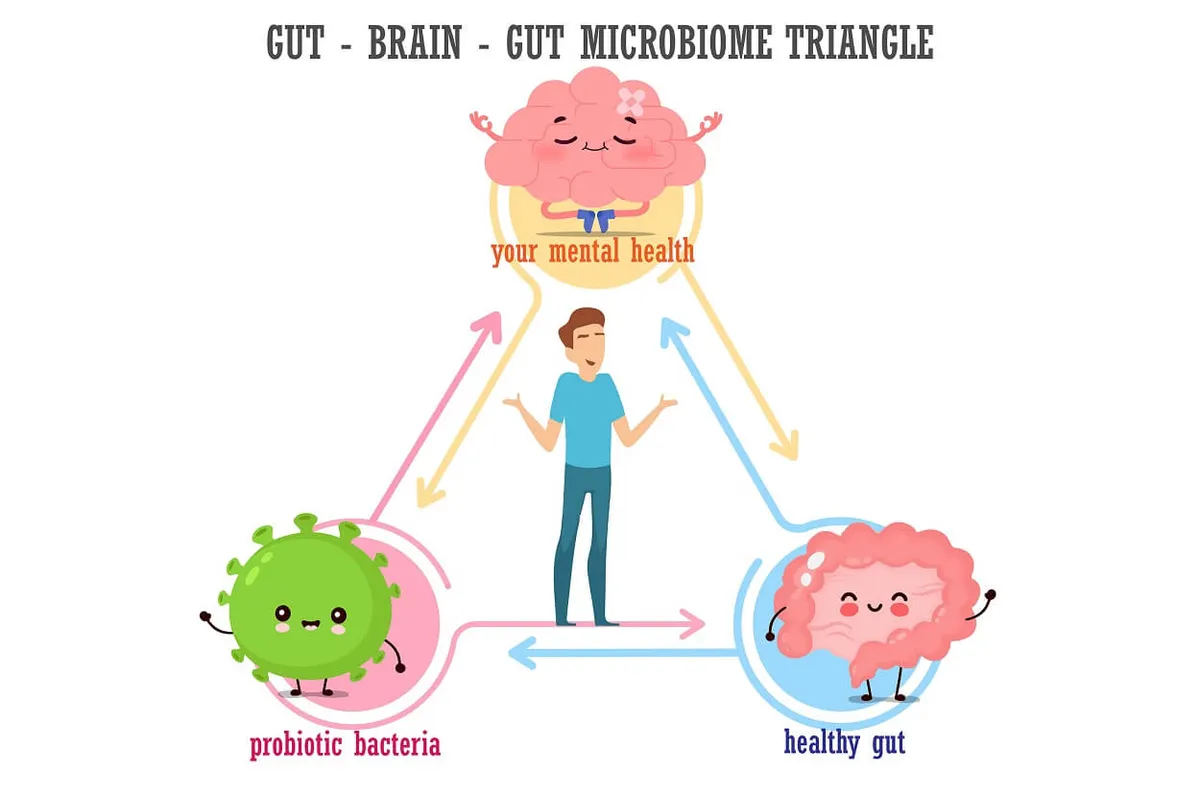
Over the past 15 years, research has uncovered a treasure trove of findings that provides increasing evidence for an association between the gut and brain. Even more recently, a new player has emerged that affects the gut-brain axis - the gut microbiota. Together, these three systems are linked together as part of the microbiota-gut-brain axis, also known as the psychobiome, in a complex network of relationships.
Let’s dig deeper into this exciting new territory!
How Does The Microbiota Affect The Gut-Brain Axis?
Several factors can influence the microbiota and its effects on the gut-brain axis, such as diet, genetics, mode of delivery at birth, stress, sleep, and medications.
Microorganisms living in our gastrointestinal tract have evolved to communicate with our organ systems and have a strong impact on the gut-brain axis. Gut microbes can produce neurotransmitters, such as serotonin, alter intestinal permeability, regulate immunity, and produce bacterial metabolites that influence the gut-brain connection. Gut microbiota have even been shown to affect early development of the central and enteric nervous system in infants. Stressful or negative early life experience, such as infection, pain, inflammation, and mother-child separation, can change the composition of the gut microbiome and alter the regulation of the gut-brain axis later in life.
Several studies have reported that prolonged antibiotic use, which can create an imbalance in the gut microbiota composition, can increase symptoms of anxiety and depression. There have even been connections made between autism spectrum disorder (ASD) and the gut microbiome, and researchers are finding that certain strains of bacteria release compounds that influence brain function and social development. Children with ASD have a different mix of microbes compared to other children, and lab animals with ASD-like symptoms are missing certain strains of bacteria.
In a study conducted back in 2014, researchers at UCLA showed healthy participants that consumed a yogurt containing a specific set of probiotics can affect the brain centers that process emotions and sensation. This study demonstrated that probiotic-rich foods could have an impact on the brain mediated by the gut-brain axis, even in healthy individuals. In another recent study, researchers found that compounds commonly found in fruits, vegetables, and nuts, known as polyphenols, can modulate the gut microbiome and symptoms of anxiety and depression.
The gut microbial composition can change depending on the composition of the foods we consume. Foods rich in dietary fibers and prebiotics can select for certain strains of beneficial bacteria compared to starch and sugar-rich foods, which are sources of energy for both good and bad bacteria. Proteins, fats, and salt also play a role in affecting the gut microbiome. A study has even shown that individuals on an all animal-based diet had drastically different microbiomes from those consuming an all plant-based diet. Researchers found evidence that humans consuming an all animal-based diet induced microbial alterations in the gut that could contribute to the development of inflammatory bowel disease.
What we eat is one of the most powerful influences on our gut microbiome that we do every day. In our next article we will discuss more about how food and diet can be our allies in modifying the microbes living in our gut.